The regulations surrounding skilled nursing facilities have grown increasingly more complicated. We know that you strive to support your staff and provide high-quality care to your residents, but a strong nursing home compliance program needs to rely on more than just heart. You need to set up a rigid framework of ethical and legal standards that govern every action, from billing to bedside care. Working with a Massachusetts healthcare attorney from Cohen Cleary, P.C. can help.
What Is a Nursing Home Compliance Program and Why Does It Matter?
A nursing home compliance program is a system of formalized internal controls designed to prevent, detect, and resolve conduct that does not conform to federal and state laws. The General Compliance Program Guidance (GCPG) provides guidance on how to remain compliant with health care regulations. The Nursing Facility Industry Segment-Specific Compliance Program Guidelines (ICPG) also provide detailed guidance on voluntary compliance for nursing facilities.
Facilities can use the guidelines to create a compliance program that helps your team proactively identify risks and develop strategies to mitigate or prevent them. Developing a plan is the first step, but working with your staff to implement these programs will also help you foster a culture of transparency, cooperation, and high-quality care.
We know that many facilities are facing challenges with staffing and funding, so a proactive, structured approach can have a dramatic impact on the facility’s liability, staff morale, and resident care.
Who Is Required to Have a Compliance Program in Nursing Homes?
While compliance programs are not mandatory to run a nursing facility, it is required to have one in place before you can receive certain forms of funding.
Under the Affordable Care Act and subsequent regulations from the Centers for Medicare & Medicaid Services, all skilled nursing facilities and nursing homes that work with Medicare or Medicaid must have an effective compliance program. The Department of Health and Human Services (HHS) requires these programs to ensure that facilities strictly adhere to Medicare and Medicaid billing standards and the Federal Anti-Kickback Statute.
The 7 Core Elements of an Effective Nursing Home Compliance Program
The Office of the Inspector General (OIG) has outlined seven core elements of an effective nursing home compliance program. These elements are detailed in the voluntary GCPG program and in the more recent ICPG.
Compliance programs are most effective when you align daily operations with these core focuses, showing that your facility values ethical and safe practices in everything you do.
1. Written Policies, Procedures, and Standards of Conduct
The first step is to document your healthcare facility’s commitment to compliance through written policies, procedures, and standards of conduct. Working with a healthcare attorney can help you make sure these standards are easy to understand and comprehensive. You must address specific compliance risks, such as gift-giving policies under anti-kickback statutes and protocols for accurate clinical documentation.
A strong written document will serve as the facility’s moral and legal guide while making expectations clear to staff. Putting the quality of care and quality of life for residents as non-negotiable priorities. These documents must be reviewed and updated regularly to reflect changes in the General Compliance Program.
2. Compliance Officer and Oversight Structure
To maintain the integrity of the program, we often advise having a separate compliance officer with the authority and resources to operate independently of the clinical and financial departments. A compliance officer should report directly to the governing board to ensure there are no conflicts of interest.
You should also have a robust compliance committee to support them. This multidisciplinary team can help identify their own risks and the quality of health and human services (HHS) outcomes. This committee provides more balanced oversight and shows that you take quality seriously.
3. Ongoing Training and Education for Staff
Compliance is a shared responsibility for all staff at any level. Every employee, from upper management to janitorial staff, must understand the regulations relevant to their specific roles.
Effective compliance and quality programs require regular, engaging training sessions that cover topics such as the Federal Anti-Kickback Statute and the proper identification and reporting of elder abuse. Regular education ensures that your team knows the expectations and will adhere to them confidently.
4. Effective Communication and Reporting Systems
To be truly effective, your policy needs to include a no-retaliation reporting system and a culture that aligns with it. Staff, residents, and family need a clear, confidential way to report compliance risks and concerns without fear of consequences.
Open lines of communication, such as an anonymous hotline, allow for high-level issues to be caught and addressed internally before they escalate into external investigations or whistleblower lawsuits.
5. Internal Monitoring, Auditing, and Risk Assessment
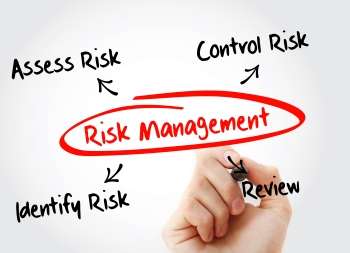
Conducting internal risk assessments at regular intervals can help you catch errors before they grow into system-wide issues. These audits should focus on high-risk areas identified by the Inspector General, such as inflated therapy minutes or vulnerabilities in the security of medical records. By continually auditing your facility’s performance, you can identify trends, correct billing inaccuracies, and ensure regulatory compliance.
6. Consistent Enforcement and Disciplinary Standards
To work, any compliance program must have consequences for violations. Facilities must apply disciplinary standards consistently across all levels of the organization, regardless of seniority, clinical hours, or reputation. Whether investigating a minor charting error or a serious violation of anti-kickback statutes, enforcement of standards must be fair and well-documented. Consistency reinforced the message you want to send that integrity is paramount.
This consistency protects you at an administrative level and builds a workplace culture that strengthens morale and improves client care.
7. Incident Response, Investigations, and Corrective Action
Identifying an issue is one thing; correcting it is another. How you respond to an incident must be thoroughly documented in your compliance program. A prompt internal investigation must be launched to determine the root cause and implement the corrective action. In some cases, you may have to coordinate with the Department of Health and Human Services (HHS) to self-report a violation.
How a Massachusetts Healthcare Attorney Can Help Your Facility Stay Compliant
Building comprehensive compliance and quality programs that meet the rigorous standards of the Nursing Facility ICPG is a difficult task. At Cohen Cleary, P.C., our Massachusetts healthcare attorneys tailor these programs to your facility’s specific needs, ensuring you are prepared for any audit.
We are here to help you navigate the intersections of ethics, efficacy, and law. Whether we are working proactively to conduct risk assessments or providing the steady guidance you need during a government investigation, we stand by your side, helping to protect your facility, your staff, and most importantly, your residents. Contact us today to set up an initial consultation to get your questions answered.