Skilled nursing facilities and assisted living residences operate in one of the most heavily regulated environments in American business. Every operational decision carries compliance implications, every patient interaction creates potential liability, and every unpaid balance erodes the financial stability that makes quality care possible. General business counsel rarely understand the regulatory overlay that shapes healthcare operations, and that gap between general legal knowledge and healthcare-specific expertise is where facilities are most vulnerable. A healthcare attorney who works inside the industry every day recognizes risks that a generalist will miss entirely.
Cohen Cleary provides comprehensive legal services to healthcare facilities across New England, from regulatory compliance and risk management to collections, guardianship petitions, and contract disputes. We serve as ongoing counsel to facilities that need a nursing home lawyer who understands the operational realities of running a healthcare institution, not just the legal theories behind them.
Legal Services for Skilled Nursing and Assisted Living Facilities
Our healthcare practice addresses the full spectrum of legal needs that facilities encounter in daily operations and long-term strategic planning:
Regulatory Compliance
Guidance on state DPH and federal CMS requirements, survey deficiency response, informal dispute resolution, and enforcement defense.
Debt Collection for Healthcare Facilities
Systematic, compliant recovery of outstanding balances from residents, responsible parties, and estates, including nursing home collections programs designed for volume efficiency.
Guardianship and Conservatorship for Facilities
Petitioning for legal authority over incapacitated residents who lack family or agents to make healthcare or financial decisions, including Rogers guardianship for medication authorization.
Contracts, Disputes, and Insurance Claims
Drafting, reviewing, and negotiating vendor agreements, payer contracts, and management agreements; pursuing insurance claim denials and payer disputes.
Estate Claims and Creditor Administration
Filing and pursuing claims against decedent estates to recover balances owed for care provided to deceased residents.
Risk Mitigation and Training
Policy development, staff training programs, incident response protocols, and proactive risk assessments are designed to reduce regulatory and litigation exposure.
How Our Healthcare Practice Supports Facility Operations
Most healthcare facilities do not need a lawyer who can explain the law. They need a lawyer who understands what a CMS survey looks like from the administrator’s side of the table, who knows that a responsible party agreement is only as enforceable as its documentation, and who can move a guardianship petition through Probate Court on a timeline that accounts for the clinical urgency driving the filing.
We tell our clients that the most expensive legal problem is the one that was preventable. A regulatory deficiency that could have been addressed through a policy update becomes a civil monetary penalty. A collection that should have been initiated at 60 days’ age, into a write-off at 180. A resident without a healthcare proxy lingers in a treatment limbo that exposes the facility to liability with every passing day. Our approach integrates these service lines so that compliance, collections, risk management, and legal proceedings work as a coordinated system rather than isolated responses to individual crises.
This integration is the practical difference between a general business firm that handles some healthcare matters and a practice that is structured around the way healthcare facilities actually operate. When we identify a compliance gap during a risk assessment, we can connect that finding to collection protocols, admission documentation, and staff training in a single engagement rather than referring pieces to outside specialists.
Why Healthcare Facilities Choose Cohen Cleary
At Cohen Cleary, our practice teams combine deep subject-matter experience with disciplined execution and responsive client service. We do not take a one-size-fits-all approach. Every matter is handled with careful preparation, clear communication, and a strategy tailored to the client’s goals and the realities of the forum.
Clients choose Cohen Cleary because we deliver:
Practice-Focused Legal Experience
Our attorneys work in defined practice areas, allowing us to develop practical insight into the legal, procedural, and regulatory nuances that matter most in each case. This focus allows us to anticipate issues, avoid unnecessary delays, and position matters for efficient resolution.
Clear Guidance and Proactive Communication
We prioritize clarity at every stage. Clients receive straightforward explanations of their options, timely updates on developments, and practical advice grounded in real-world outcomes.
Strategic Advocacy with Trial Readiness
Whether a matter calls for negotiation, mediation, or litigation, our attorneys prepare every case with discipline and foresight. We pursue efficient resolution when possible and are fully prepared to advocate aggressively when necessary to protect our clients’ interests.
Regional Knowledge and Local Presence
With offices throughout Massachusetts and experience across New England courts and agencies, we bring local insight and regional reach to every matter.
Client-Centered Service
We treat every matter with urgency and respect. Our clients rely on us for responsive service, sound judgment, and steady counsel through complex legal challenges.
In our Healthcare and Nursing Home Law work, this approach helps clients navigate regulatory, operational, and financial challenges with clarity, efficiency, and confidence.
Healthcare Risk Management: A Proactive Framework
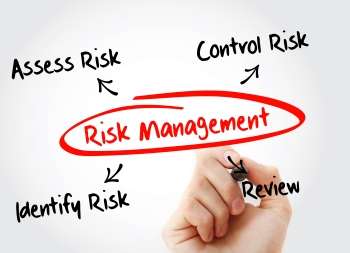
Healthcare facilities that treat legal compliance as a cost center rather than an operational priority consistently spend more on litigation, regulatory penalties, and remediation than they would have spent on proactive counsel. The facilities with the lowest legal exposure are the ones with the strongest compliance infrastructure. We build that infrastructure with our clients, starting with a thorough assessment of current operations and extending through ongoing counsel that adapts as regulations, staffing, and census patterns shift. For SNF operators and long-term care providers managing multiple service lines, this proactive framework reduces exposure across every area of facility operations.
Serving Healthcare Facilities Across New England
Cohen Cleary represents healthcare facilities across New England from offices in Taunton and Plymouth, Massachusetts. Our attorneys practice regularly before Massachusetts Probate and Family Courts on guardianship and conservatorship matters, handle regulatory proceedings involving Medicaid, and pursue collections in courts throughout the region. This regional scope allows us to serve multi-facility operators with consistent healthcare facility counsel across state lines, while our concentrated Massachusetts presence ensures deep familiarity with the state’s healthcare regulatory framework and the agencies that enforce it.
Discuss Your Healthcare Facility’s Legal Needs
Healthcare facilities that invest in proactive legal counsel operate with less risk, fewer disruptions, and stronger financial performance. Contact Cohen Cleary to schedule a consultation about your facility’s compliance, collections, or operational legal needs. We work with administrators and owners throughout New England.
Frequently Asked Questions About Healthcare and Nursing Home Law
Why does a healthcare facility need a specialized attorney rather than general business counsel?
Healthcare operations are governed by a layered regulatory framework that includes federal CMS requirements, state Department of Public Health standards, and industry-specific compliance obligations that most business attorneys encounter infrequently, if at all. A skilled nursing facility attorney who works within this framework daily can anticipate problems and respond to survey deficiencies, enforcement actions, and compliance gaps in ways that generalists typically cannot.
Can a healthcare facility petition for guardianship of a resident?
Yes. When a resident lacks the capacity to make healthcare decisions and has no family member, healthcare proxy, or other legal agent available, the facility can petition the Probate Court for appointment of a guardian. This includes Rogers’ guardianship petitions for authorization to administer antipsychotic medications. The process requires coordination between legal counsel and the facility’s clinical team to prepare the medical evidence the court requires.
What should a facility do after receiving a survey deficiency?
Respond promptly and strategically. Not every deficiency warrants the same response. Some findings should be corrected and documented through a plan of correction. Others may warrant challenge through the informal dispute resolution process or formal appeal, particularly if the deficiency classification or scope is inaccurate. An attorney experienced in healthcare regulatory proceedings can assess the finding, evaluate its potential consequences, and recommend whether correction or challenge is the appropriate path.
Is it worth pursuing collections on aged healthcare receivables?
Facilities frequently assume that aged balances are uncollectible, but systematic collection processes recover a meaningful percentage of outstanding receivables that would otherwise be written off. The key is implementing compliant collection protocols early. Accounts that enter a structured recovery process at 60 to 90 days produce significantly better outcomes than those left to age past 180 days. Estate claims for deceased residents represent another category of recoverable revenue that facilities often overlook.
How does Cohen Cleary structure its healthcare practice to serve facilities?
Our healthcare practice integrates compliance, collections, guardianship and conservatorship, contract work, and risk management into a coordinated service model. This means a single legal team understands your facility’s operations across multiple areas of need, which eliminates the inefficiency and communication gaps that result from engaging separate firms for separate issues. We structure engagements for ongoing counsel relationships, not just transactional representation.