
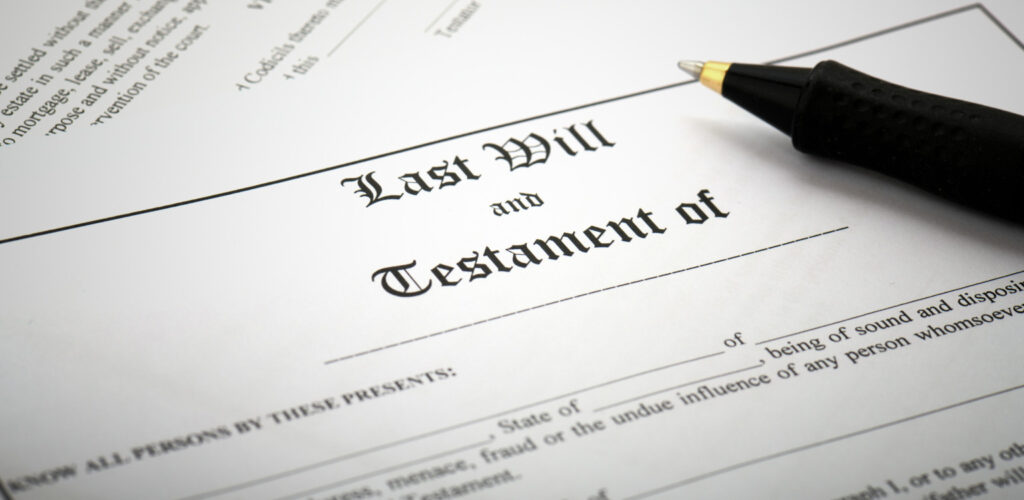
When it comes to planning for the future, one of the most important decisions you can make is whether to create a Last Will & Testament. While it can be uncomfortable to think about, having a clear plan for your assets and loved ones in the event of your passing is essential. But is a will really necessary for everyone? The short answer is yes—whether you have a large estate or modest assets, a Will provides critical benefits that ensure your wishes are honored.
What Are the Benefits of Having a Last Will & Testament?
The Benefits of a Customized Estate Plan
While a Last Will & Testament is essential, it is often just one part of a comprehensive estate plan. Estate planning isn’t a one-size-fits-all solution. A customized estate plan allows you to address your unique needs and goals while staying within your budget.
At Cohen Cleary, P.C., we understand that every client’s needs and budget are unique. We can help you create an estate plan that not only includes a Will but also additional documents that protect your health and financial decisions.
Additional Estate Planning Documents to Consider
Contact Us for a Free Consultation
Whether you need a Last Will & Testament or a comprehensive estate plan, our experienced attorneys at Cohen Cleary, P.C. are here to guide you through the process. We can help you protect your assets, make informed decisions, and ensure that your estate plan is tailored to meet your specific needs and budget.
Contact us at 508-880-6677 to schedule a free consultation and start planning for your future today.
This website may constitute advertising under Massachusetts Supreme Judicial Court Rule 3:07. Please note, reading the information on this site does not create an attorney-client relationship. Cohen Cleary, P.C. nor any affiliated attorneys are offering legal advice through this site.
© 2025 CohenCleary | All Rights Reserved | Attorney Website Design and Development by GraphicDesignMe.com
122 Dean Street, Taunton, MA 02780
121 Sandwich St, Plymouth, MA 02360
21 Franklin St., 3rd Fl, Quincy, MA 02169
Hablamos español
Falamos português
This website may constitute advertising under Massachusetts Supreme Judicial Court Rule 3:07. Please note, reading the information on this site does not create an attorney-client relationship. Cohen Cleary, P.C. nor any affiliated attorneys are offering legal advice through this site.
© 2024 CohenCleary | All Rights Reserved | Wordpress Website Design and Development by GraphicDesignMe.com